For an urgent plumbing problem in Melbourne, call (02) 5837 5457 and explain what is happening. We can discuss availability and the safest next step for your property.
Water running where it should not, sewage coming back through a drain, or a toilet that will not stop overflowing can feel overwhelming. Start by keeping people safe and limiting the damage where you can, then call Grade A Plumbing on (02) 5837 5457 to discuss emergency plumbing attendance in Melbourne.
An emergency is generally a fault that is actively causing damage, creating a hygiene or safety risk, or leaving a home or business without an essential service. A smaller drip or slow drain may still need attention, but it usually allows time to arrange a standard visit rather than an urgent after-hours response.
When you call, clear information helps: tell us where the water or sewage is coming from, whether it is still flowing, whether electricity or gas may be involved, and whether you can safely reach the property’s water isolation valve. Emergency availability is confirmed when the enquiry is assessed; no arrival time can be guaranteed.
What counts as a plumbing emergency?
A plumbing emergency is not defined only by how inconvenient it is. It is usually a problem that is getting worse, can damage the building or belongings, exposes people to contaminated water, or creates an immediate safety concern. A burst pipe, an uncontrolled leak, a sewer backup and an overflowing toilet are common examples.
The situation becomes more urgent when water is close to electrical fittings, is spreading through ceilings or walls, is escaping into another residence, or cannot be contained with a bucket or a closed tap. In a commercial property, a failure that affects customers, staff, food areas, shared amenities or operations may also need prompt attention.
No hot water is different from a burst pipe because the right response depends on the circumstances. A hot water fault with leaking water, signs of unsafe operation, or an essential-service issue at a rental property deserves prompt advice. If it is simply a loss of hot water with no leak or hazard, the call can establish whether emergency attendance is appropriate and available.
Urgent signs and safe first actions
This guide helps you describe the issue clearly when arranging emergency plumbing in Melbourne.
What you notice
Why it may be urgent
First safe action
Water spraying or running from a pipe
Water can quickly damage floors, walls, ceilings and contents.
If safe, close the main water isolation valve and keep clear of electrical hazards.
Toilet bowl rising or overflowing
Wastewater can spread and make the area unhygienic.
Stop flushing, keep people away and do not use nearby fixtures if levels keep rising.
Sewage appearing in a shower, floor waste or outside drain
A blockage or sewer issue can expose people to contaminated water.
Avoid contact, keep children and pets away, and stop using water fixtures.
Water through a ceiling or near a light fitting
There may be hidden water damage and an electrical risk.
Keep out of the area; do not touch wet fittings or electrical equipment.
Hot water unit leaking heavily or not operating safely
Escaping water or a possible appliance fault may need urgent assessment.
Do not tamper with the unit; isolate water only if safe and seek advice.
A gas smell or suspected gas leak
Gas can create a serious fire, explosion or health hazard.
Leave the area and follow the gas safety steps in the callout below.
If there is immediate danger, fire, or a life-threatening situation, call 000 from a safe place.
What to do while you arrange help
Take only the steps that are safe for your situation. Do not dismantle pipework, drains, appliances or gas connections to investigate the fault.
01
Protect people first
Move children, pets and anyone not needed away from the affected area. If water is near electrical equipment, do not enter pooled water or touch switches, power points or appliances.
02
Stop the water if you safely can
For uncontrolled water, close the main water isolation valve only if you know where it is and can reach it safely. Do not force a stiff valve, climb into a wet ceiling space, or attempt to isolate a fault that exposes you to electricity.
03
Limit further water use
Stop using toilets, taps, showers, dishwashers and washing machines that may feed the problem. For a suspected sewer blockage, reduce water use across the property until the cause has been assessed.
04
Contain what is safe to contain
Use towels, a bucket or a tray for clean water only where it can be done without risk. Keep valuables away from the leak, but do not handle sewage or contaminated water without appropriate protection.
05
Call with the key details
Explain the type of property, where the fault is, whether water has been isolated, any safety hazards, and any access instructions. Photos can be useful if they can be taken without entering a risky area.
Gas, electricity and contaminated water: keep clear
If you smell gas or suspect a gas leak, leave the area and keep other people away. Do not use electrical switches, flames or appliances, and do not try to locate or repair the leak. From a safe place, contact your gas distributor’s emergency line; call 000 if there is a fire or immediate emergency.
If water is near electrical wiring, a switchboard, outlets or appliances, treat the area as unsafe and do not touch wet electrical items. Sewage and wastewater can carry contaminants, so keep people and pets away, avoid direct contact, and do not try to clear a serious backup yourself.
Burst pipes and serious water leaks
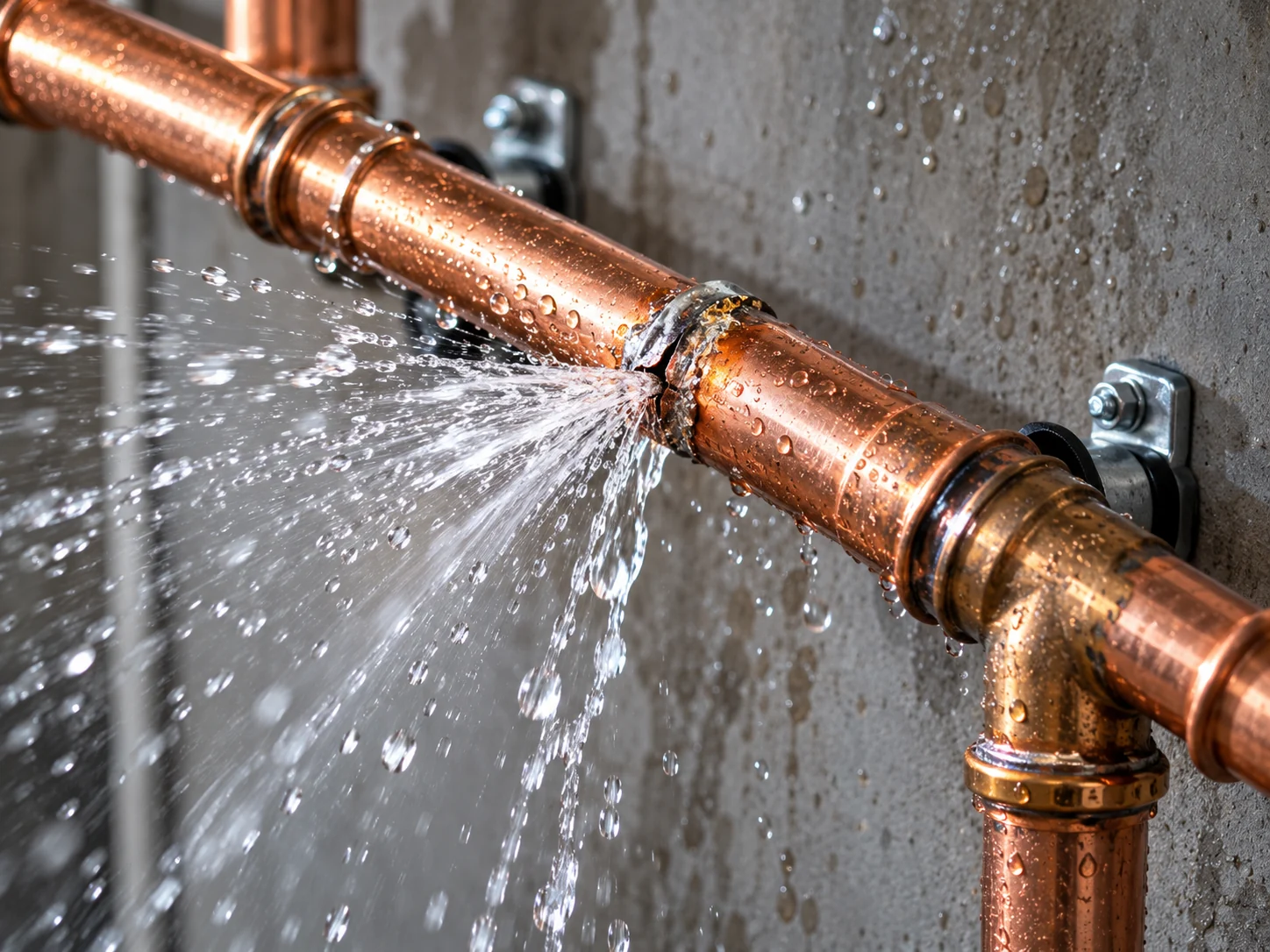
A burst pipe may be obvious, with water spraying from a visible line, or hidden, with damp plaster, a bulging ceiling, a wet cupboard or water appearing at a lower point in the home. Even a leak that looks small can travel through walls and under floors. The priority is to stop the flow safely and protect the area from further damage.
The main water isolation valve is often the quickest way to reduce damage from a major internal leak. Its position varies by property, so only operate it if you can identify it without risk. Closing a local isolation tap may help for a leaking toilet or basin, but it is not a substitute for isolating the main supply when water is escaping rapidly elsewhere.
Once the immediate flow is controlled, an assessment can trace the source and distinguish a pipe failure from a leaking fixture, appliance connection, roof-related ingress or drainage issue. Repair choices depend on access, pipe condition, the extent of damage and whether temporary containment or a lasting repair is needed. A firm price requires the work to be assessed.
Overflowing toilets and sewer backups
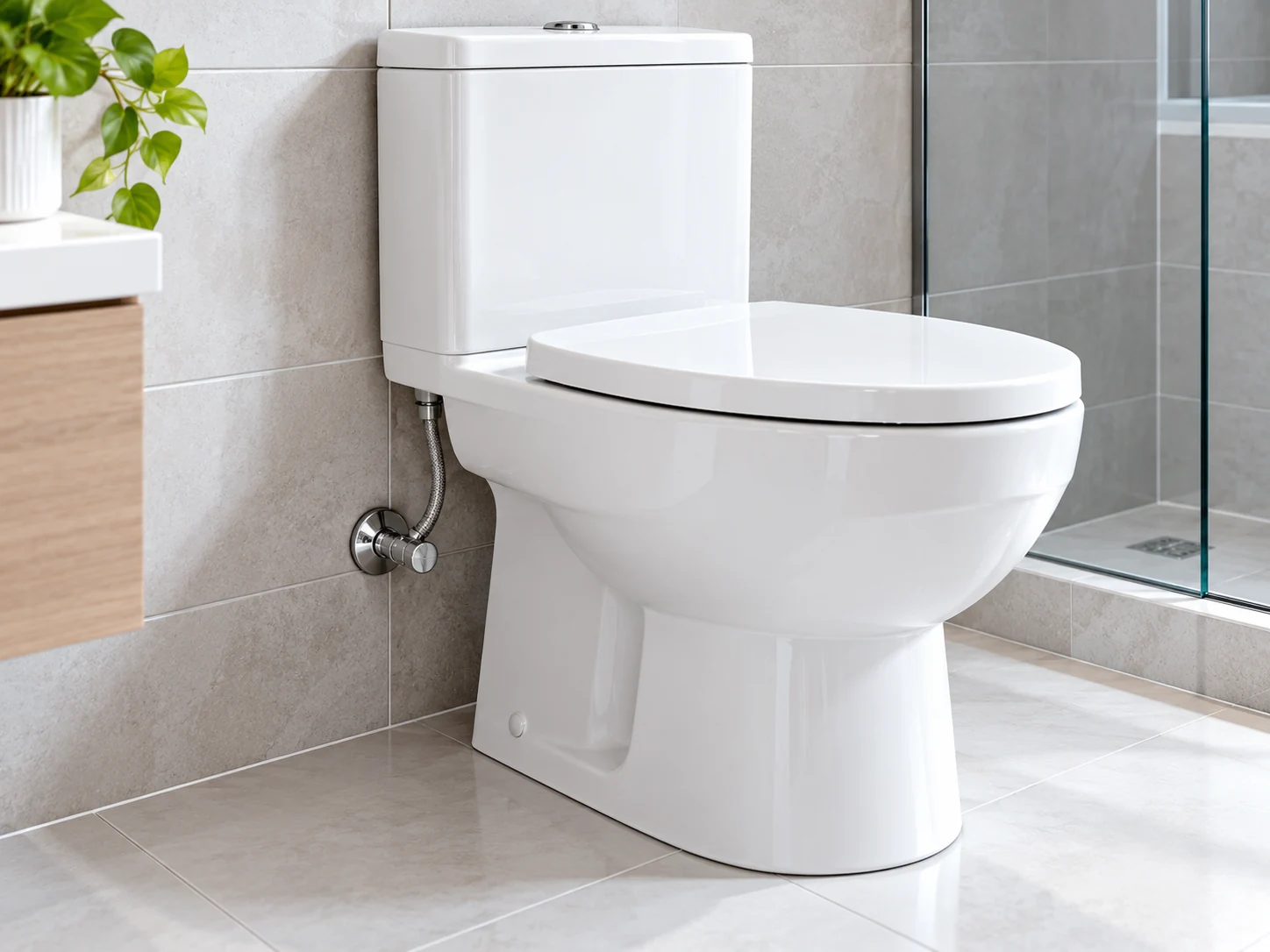
An overflowing toilet should be treated as urgent when the bowl is rising, wastewater is escaping, or it is the only usable toilet at the property. Stop flushing straight away. If the level keeps rising, do not continue testing it and do not pour chemicals into the toilet in an attempt to clear it.
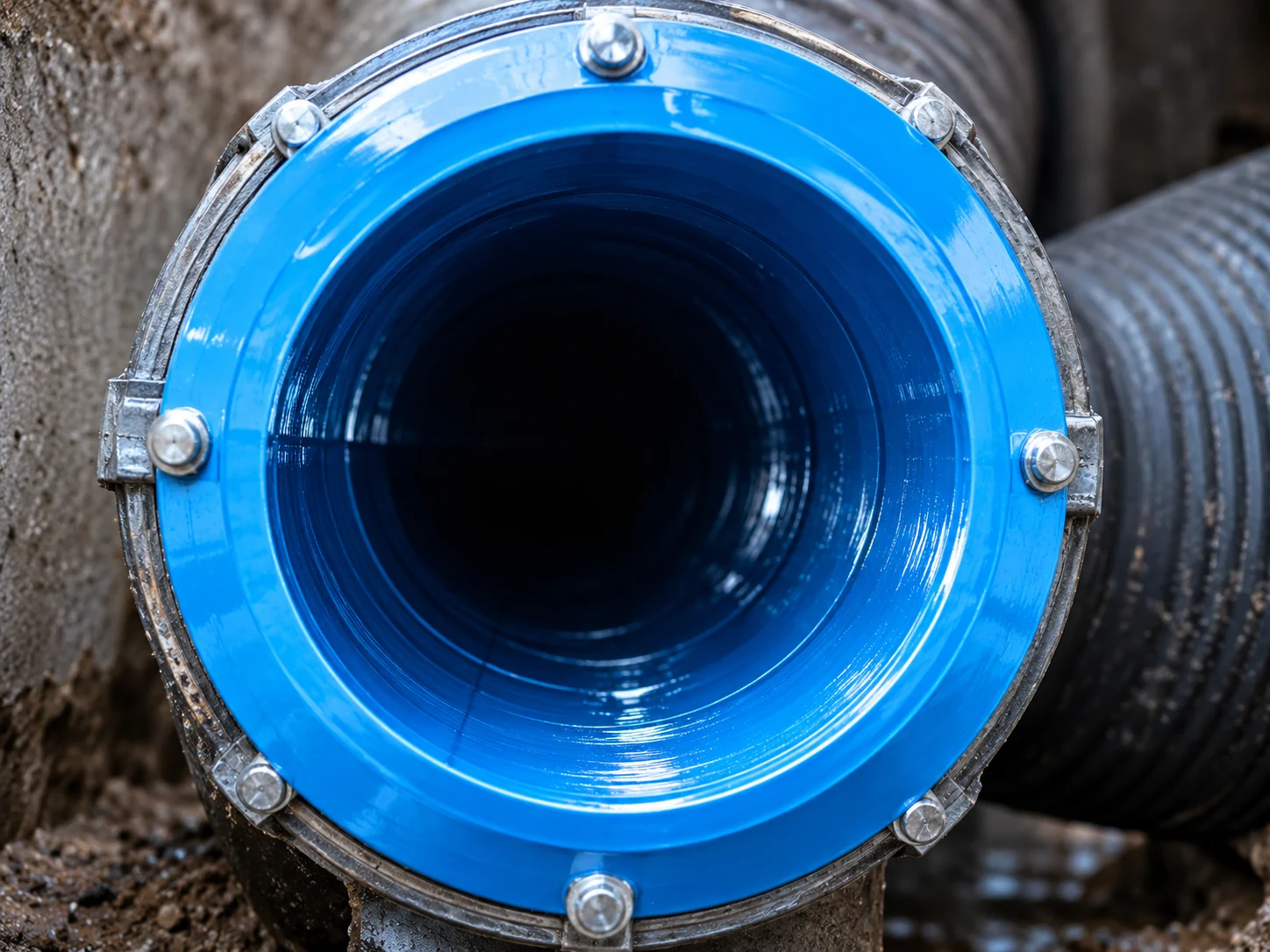
When sewage appears in a shower, floor waste, laundry or outside drain, the issue may involve a blockage further along the drainage line rather than one fixture alone. Using more water can make the backup worse, so pause showers, taps, washing machines and dishwashers until the situation has been checked. Keep the area closed off from children and pets.
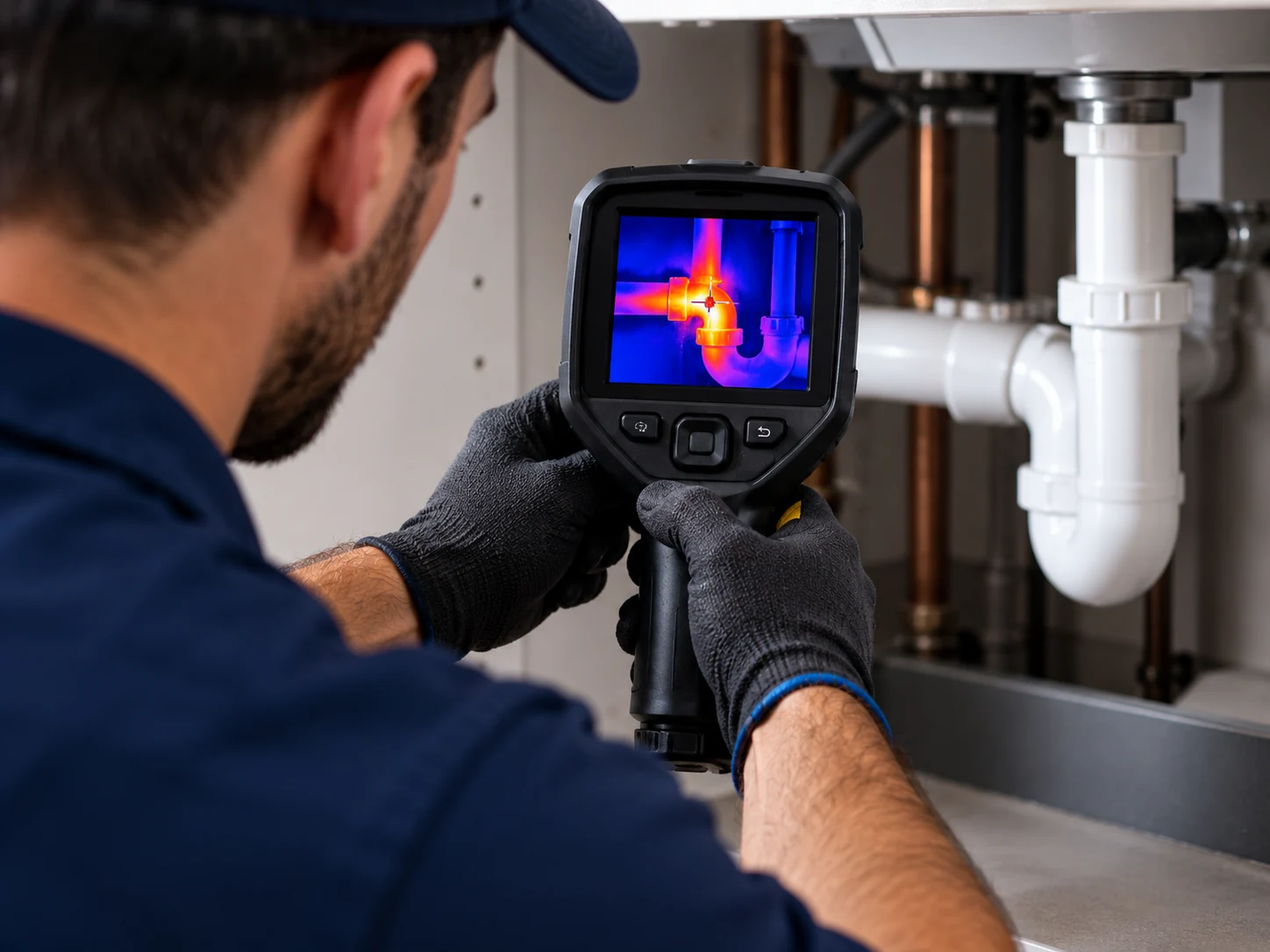
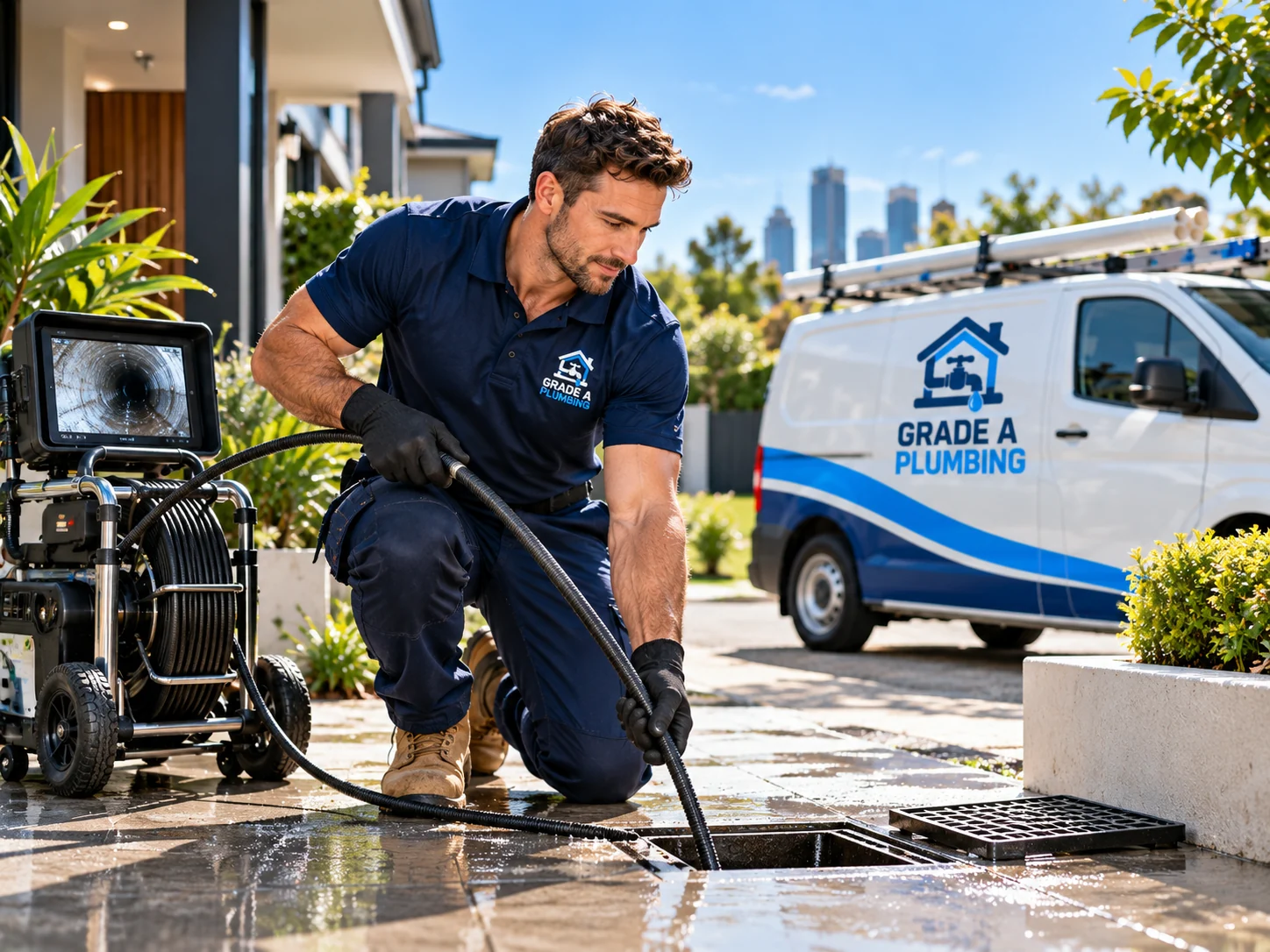
An emergency assessment looks at where the blockage is affecting the system and whether the immediate concern is contained. Depending on the fault and access, the next steps may involve clearing the obstruction, inspecting the drainage line, or planning follow-up repairs. A CCTV drain camera may be considered where it is useful to see inside a pipe, but the appropriate approach follows the assessment.
concept
WHY CHOOSE GRADE A PLUMBING?
Clear next steps, without the guesswork.
We ask what has happened, explain the available next step and discuss the work before proceeding. Availability and the right response depend on the job and location.
A clear conversation about the issue
Practical guidance for the next step
Work scope discussed before proceeding
Residential and commercial enquiries
HOW IT WORKS
Our emergency plumbing process.
01Call and describe the issue
02Discuss the next available response
03Review the proposed scope and price
04Complete and explain agreed work
Hot water failures and urgent faults
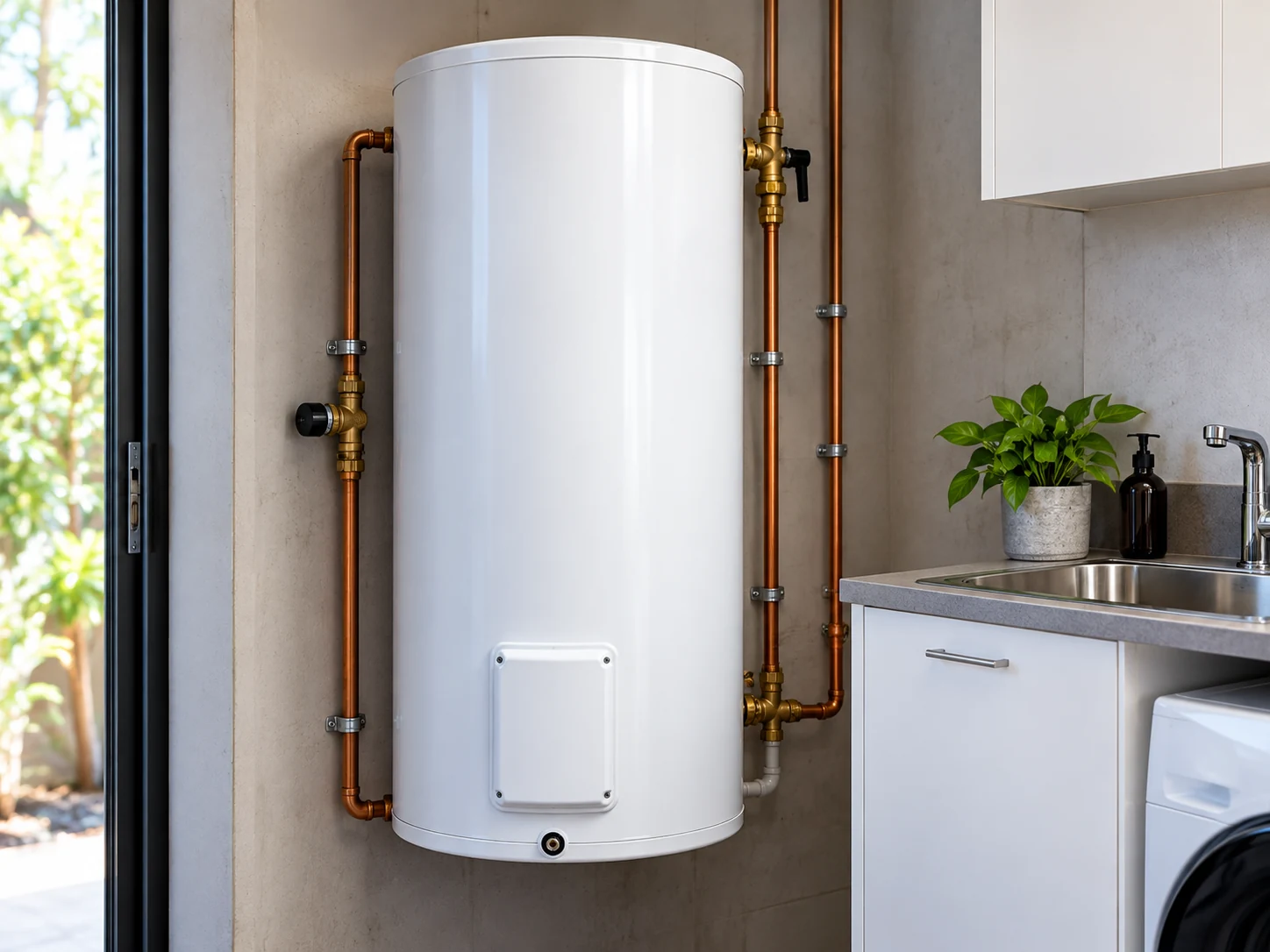
A hot water system can fail through a loss of supply, a leak, a failed component or a problem with the energy source. Water pooling around a unit, water running from a relief outlet continuously, a damaged unit, or hot water reaching electrical areas should be treated cautiously. Do not remove covers, reset equipment repeatedly or interfere with gas connections.
For homeowners, an after-hours assessment may be sensible if the failure is causing water damage, creates a safety concern or leaves the property in a difficult situation. For renters in Victoria, Consumer Affairs Victoria lists an essential service or appliance for hot water that is not working among urgent repairs. Renters should notify their rental provider or property manager as soon as possible and follow the emergency contact process supplied for the tenancy.
If a gas-fired unit is involved and you smell gas, follow gas-emergency safety directions rather than treating it as a routine hot water call. Water-affected gas appliances should not be used until they have been inspected by a licensed gasfitter. Any regulated plumbing or gasfitting work in Victoria should be carried out by the appropriately licensed practitioner.
How emergency attendance is arranged
Call (02) 5837 5457 and describe the fault, the immediate risk and your Melbourne location. The enquiry can be checked for the type of problem, property access, whether water or sewage is still escaping, and whether there are hazards such as gas or electricity. This helps determine the safest response and whether emergency attendance is available.
For after-hours enquiries, availability depends on factors including the nature of the fault, existing urgent work, travel conditions, access and the safety of the site. You may be asked to take simple safety measures, such as limiting water use or isolating water where safe, while arrangements are discussed. It is important not to assume an exact response or arrival time before availability has been confirmed.
Homeowners can provide access details directly. Tenants should also contact the property manager or rental provider promptly, use the emergency number given in their rental information, and confirm the request in writing where possible. Property managers and businesses can prepare by nominating an authorised contact, confirming access instructions and explaining whether the issue affects other occupants or operations.
What happens during the assessment
The first part of an emergency visit is about making the area safer and understanding the source of the fault. This may involve checking visible pipework, fixtures, drainage points, water flow, signs of damage and safe access. The aim is to distinguish the immediate symptom from the underlying cause before deciding what work is appropriate.
Where possible, the discussion should cover what has been found, what needs urgent containment, and what options are practical for repair or follow-up work. Some problems can be stabilised at the visit, while others need more investigation, parts, access work or a planned return. If water damage, drainage damage or a failed appliance is involved, the full scope may not be known until the affected area is assessed.
The cost is based on the actual circumstances, not a guess made without seeing the problem. Before non-emergency repair work proceeds, ask what the immediate work is intended to do, what further work may be needed, and whether any approval is required from an owner, manager or body corporate. For relevant Victorian plumbing work, compliance documentation may be required and is issued by a licensed plumber where applicable.
After-hours pricing: what can affect the cost
Emergency costs vary because each fault, property and attendance is different. A firm price requires an assessment of the work needed.
The time and day of the enquiry, including after-hours, weekends or public holidays.
How quickly the water, sewage or safety risk needs to be contained and what initial work is necessary.
Travel, safe access, parking, building entry and the location of the affected plumbing.
The time needed to locate the cause, test the system and assess hidden damage or drainage issues.
The type of repair, replacement parts, materials or specialist diagnostic equipment that may be required.
Whether the job needs follow-up work, coordination with a property manager, insurer, body corporate or other trade.
Urgent repairs for tenants, landlords and property managers
Plumbing emergencies often involve more than the person who first notices the problem. A tenant should report an urgent issue to the rental provider or property manager straight away, using the emergency contact provided for the tenancy where available. Sending a short written confirmation, with photos if safe, can help keep a clear record of what was reported and when.
Consumer Affairs Victoria identifies matters such as a burst water service, a blocked or broken toilet system, a gas leak, flooding or serious flood damage, and an essential hot water or water service not working as urgent repairs. This does not mean every plumbing concern has the same cause or repair path, but it helps renters and managers recognise when action should not wait for a routine maintenance request.
For a managed property, have the exact address, affected unit or area, contact details for access, and any approval requirements ready when calling. Landlords and managers can also help by telling occupants where the water isolation valve is and who to contact out of hours. Work that requires licensing or registration in Victoria should be handled by a qualified person.
Related plumbing help
Burst Pipe RepairsFor pipe leaks and water escaping from damaged plumbing.
Sewer RepairsFor recurring sewer problems, damage and drainage repair planning.
Hot Water SystemsFor diagnosis, repair or replacement options after a hot water fault.
ContactFor non-urgent enquiries or to provide further job details.
HOW PRICING WORKS
What affects the cost of this work.
We do not publish fixed prices, because the right figure depends on what is actually found on site. These are the factors that shape a quote, and the proposed scope and price are explained before agreed work proceeds.
01Time of attendance
After-hours, weekend and public-holiday attendance can affect the cost because urgent work is arranged outside standard working periods. The applicable timing is considered with the rest of the job, not in isolation.
02Urgency and containment
Work needed to make an active leak, sewage backup or safety risk safe may be different from a repair that can be scheduled. The immediate condition of the property determines the first scope of work.
03Access and location
Apartment entry, locked gates, parking, ceiling access, underfloor access and the location of the affected plumbing can change the time and preparation required. Clear access details can help the assessment proceed efficiently.
04Diagnosis and fault complexity
A visible leaking tap is different from a hidden pipe leak or a drainage fault affecting several fixtures. Locating the actual cause may require investigation before a repair scope can be confirmed.
05Repair work and materials
The type of pipe, fixture, appliance connection, drainage component and replacement materials needed affects the work involved. Some faults may need a temporary measure first and a further repair later.
06Approvals and follow-up work
Rental properties, strata buildings and businesses may need an authorised contact, owner approval or coordination with other parties. Damage that extends beyond the plumbing itself can also require separate follow-up work.
Every business prices this work differently, and the figure depends on the assessment outcome, access, parts and whether attendance is outside standard hours. Ask for the proposed scope and price before work starts.
SERVICE IMAGE REFERENCES
Examples of plumbing issues.
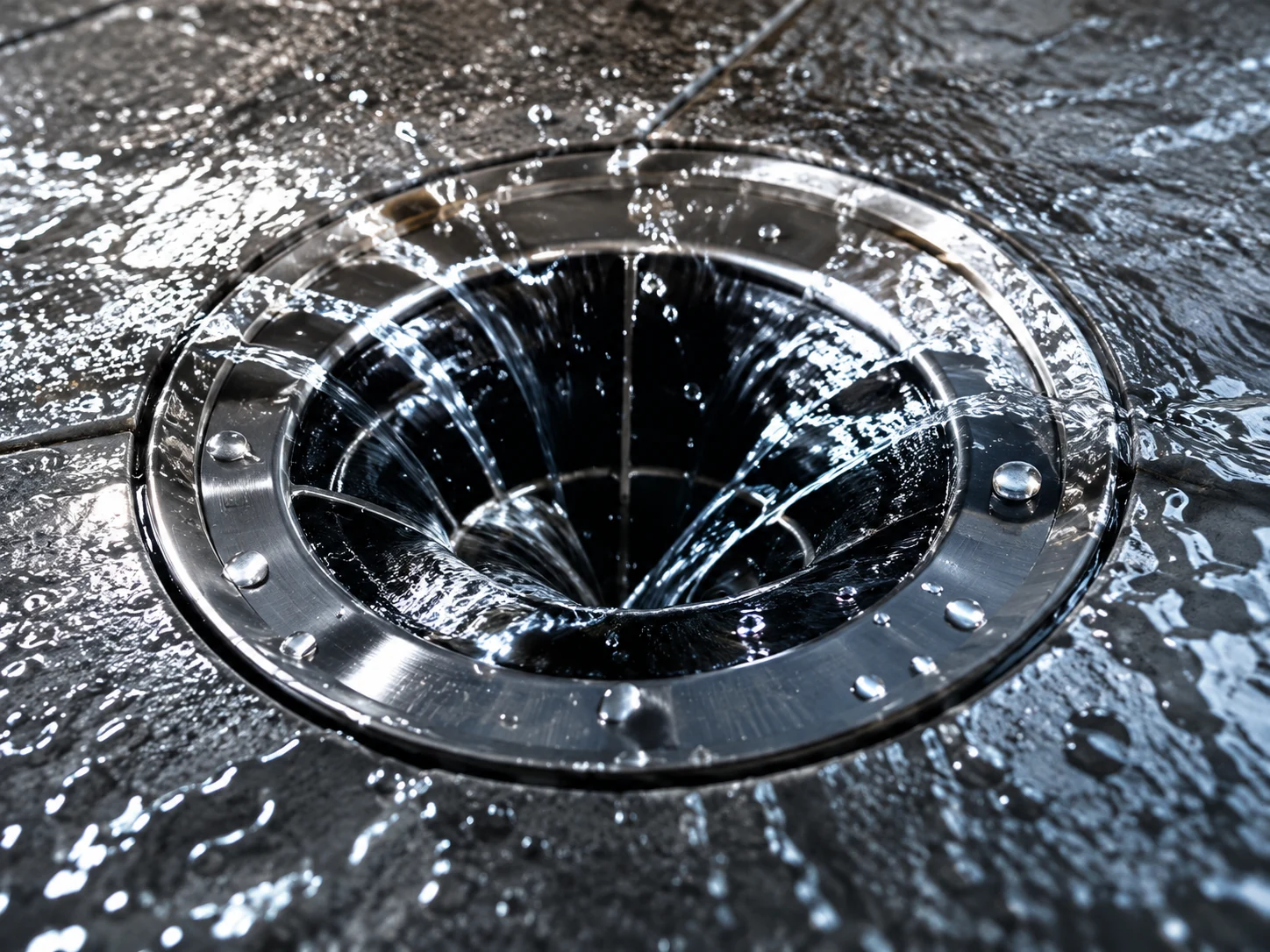
These supplied visuals show common plumbing issues.
concept
Emergency plumbing
concept
Drain inspection
concept
Blocked drain
FREQUENTLY ASKED QUESTIONS
Good questions. Clear answers.
If your situation is urgent, call first to discuss availability and the safest next step.
What should I do first when a pipe bursts?+
Keep people away from the water, especially if it is near electrical fittings. If you can safely identify and reach the main water isolation valve, close it to reduce the flow; do not force a seized valve or enter an unsafe area. Then call with the property address, the source of the leak and whether the water has been isolated.
Can I wait until morning for an emergency plumbing problem?+
It depends on whether the fault is still causing damage, contamination or a safety risk. A contained drip or slow drain may allow time for a standard booking, while an uncontrolled leak, sewage backup or overflowing toilet may not. If you are unsure, describe the situation when you call so the safest next step can be discussed.
Do you offer emergency plumbing after hours in Melbourne?+
Grade A Plumbing advertises 24/7 emergency plumbing where available. After-hours attendance depends on current availability, the nature of the problem, location, safe site access and other urgent work. Call (02) 5837 5457 to check whether emergency attendance can be arranged; an arrival time is not guaranteed.
How fast will an emergency plumber arrive?+
It would not be responsible to promise a fixed arrival time before the enquiry and current availability have been checked. Travel conditions, the location in Melbourne, site access and the severity of other emergency work can all affect attendance. In the meantime, take only safe steps to limit water use and protect people from hazards.
Is an overflowing toilet always an emergency?+
It is urgent when water or wastewater is rising, escaping onto the floor, or the toilet cannot be used safely. Stop flushing immediately and avoid using nearby fixtures if you think they are feeding the same blockage. A toilet that flushes slowly but is not overflowing may allow time for a normal repair booking, but it should not be ignored.
What if sewage is coming up through the shower or floor drain?+
Stop using water fixtures throughout the property if possible, as extra water can worsen a backup. Keep people, pets and belongings away from the affected area, and avoid direct contact with wastewater. Explain where the sewage is appearing and whether more than one fixture is affected when you call.
Does no hot water qualify for emergency help?+
Loss of hot water can be urgent, particularly when there is a leak, a safety concern, or an essential service at a rental property is not working. The appropriate response depends on the unit, the property and the circumstances. Do not open the unit or attempt gas work; explain any leaking water, unusual operation or safety concern when arranging help.
I rent the property. Who should I call about an urgent plumbing fault?+
Contact your rental provider or property manager immediately using the emergency contact number supplied with your tenancy, then confirm the request in writing where possible. Consumer Affairs Victoria lists several plumbing-related problems, including burst water services and blocked or broken toilet systems, as urgent repairs. If you call Grade A Plumbing, also let us know that the property is rented and whether access or approval needs to be coordinated.
What information helps when I call for emergency plumbing?+
Have the exact address, a clear description of what is happening, the affected room or fixture, and any safety concerns ready. It is also useful to say whether the main water supply has been isolated, whether sewage is present, whether the property is a house, apartment or business, and who can provide access. Do not delay a gas or immediate safety emergency to collect details.
Can I get a firm price over the phone?+
An accurate firm price depends on the fault, access, extent of damage, required parts and the work needed to make the situation safe. A description or photo may help explain the problem, but it may not show hidden pipework or the cause of a drainage issue. Ask about the assessment, the immediate work proposed and any likely follow-up before authorising repairs.
General plumbing, safety and compliance guidance on this page was checked against the following Australian sources. Nothing on this page replaces an on-site assessment.